
Road setup
A daily car should be stable, predictable and kind to its tyres. We choose figures around real use rather than around a table — a family Cayenne gets different numbers from a weekend 911.
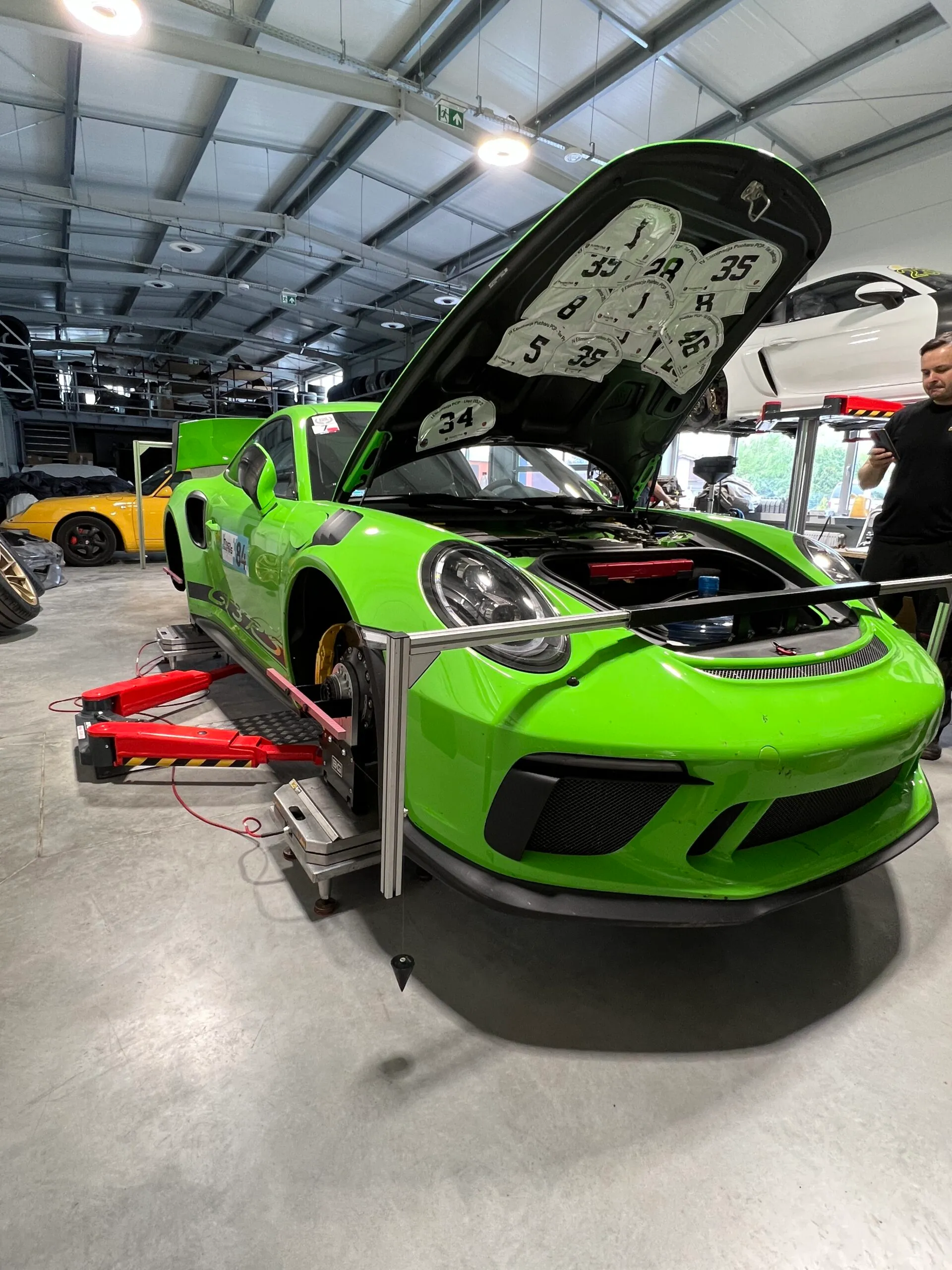
Not just "toe within tolerance". A full suspension setup built around how you actually drive.
Alignment on a Porsche is more than landing inside the factory tolerance. These cars respond to tenths of a degree, and the difference between a road and a circuit setup decides whether the front end bites or the car understeers on turn-in.
We start with what usually gets skipped: checking suspension components, play in bearings and bushes, and tyre pressures and condition. Aligning a car on worn components is pointless — the result will drift within a few hundred kilometres.
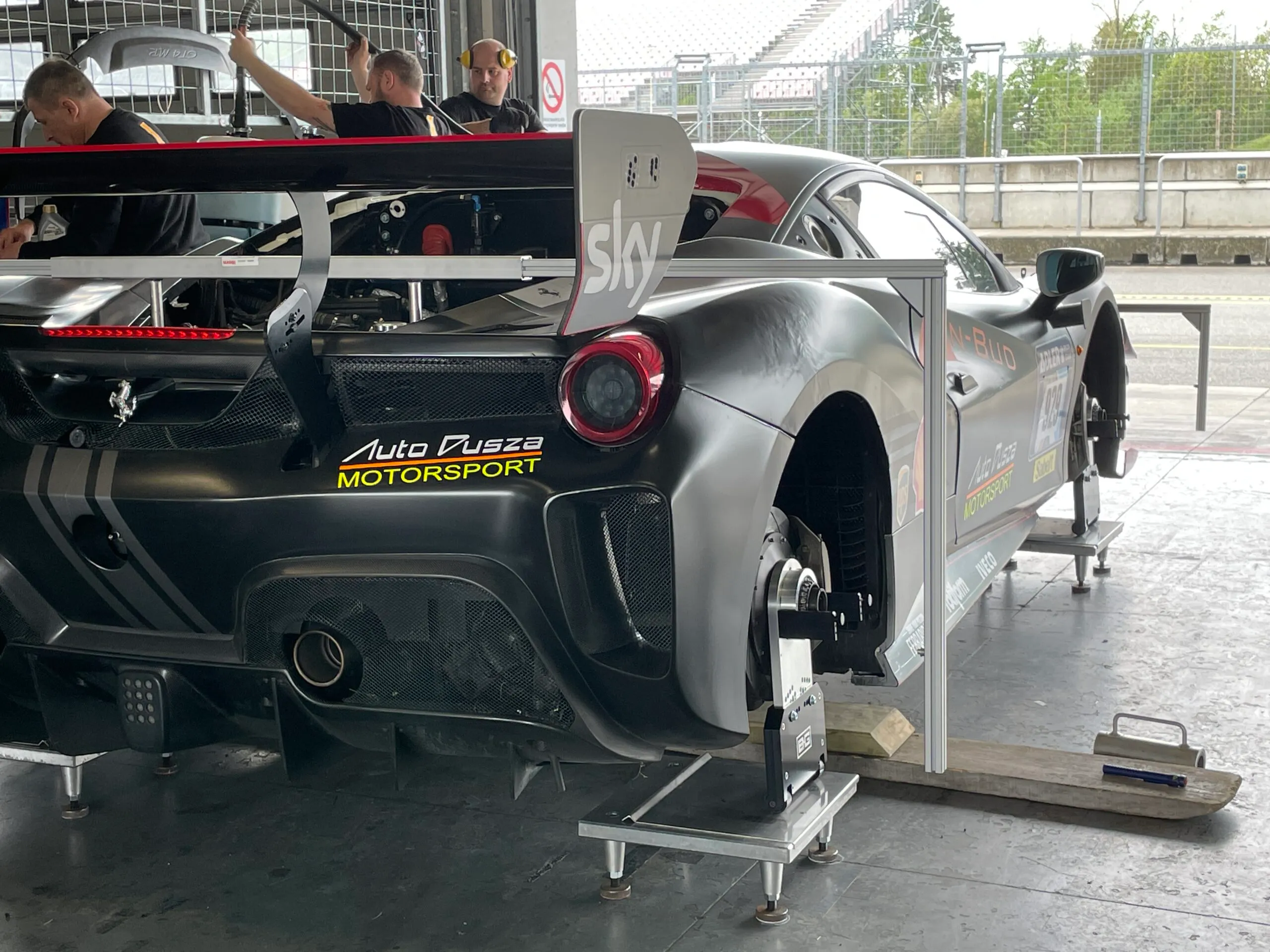
Under a project co-financed by European Funds we introduced an electronic chassis scanner, which lets us catch deviations faster and more precisely than before.
A daily car should be stable, predictable and kind to its tyres. We choose figures around real use rather than around a table — a family Cayenne gets different numbers from a weekend 911.
On track everything changes: more negative camber, different toe, different hot pressures. We set the car up for a specific circuit and driving style, then adjust after the first sessions based on tyre temperatures.
On cars with adjustable suspension we equalise the load on each wheel. It is work that cannot be done on an ordinary alignment rack — and without it the car behaves differently in left and right corners.
Every wishbone, damper or spring change calls for a fresh alignment. The same applies to ride height changes and moving to a different tyre size.
After any suspension work, after changing to a different tyre size, after altering ride height, after a serious kerb strike, and whenever the car pulls or the tyres wear unevenly. Before a track season it is not optional.
Scope. A standard rack sets toe inside the factory tolerance. We inspect the suspension first, equalise ride heights, and on sports cars corner-weight the car and choose figures around how it is driven rather than the middle of the table.
On newer models yes — changing wheel alignment affects the assistance systems. We carry out the calibration as part of the job so the car does not leave with warning lights on.
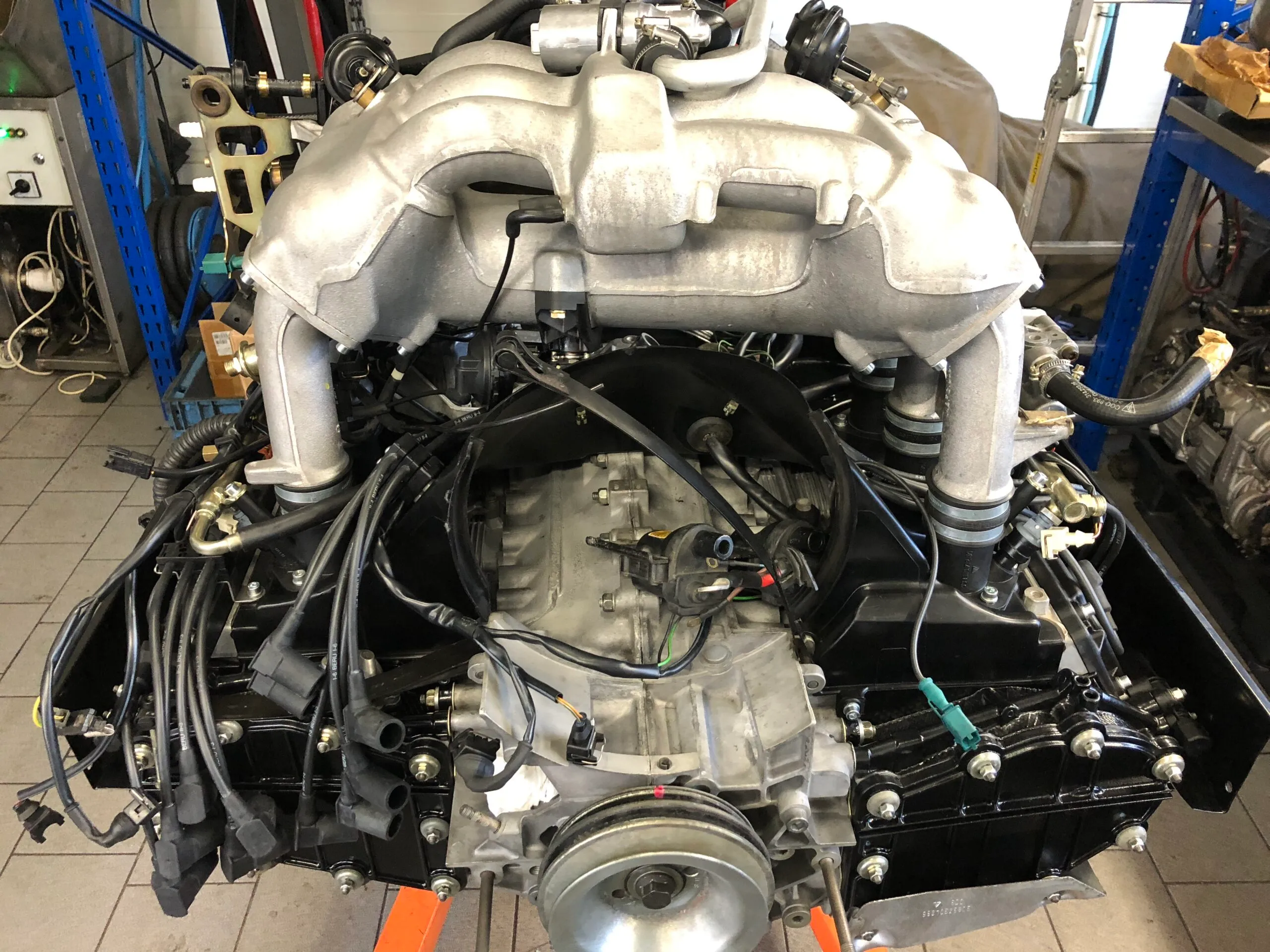 Engine rebuildsThe boxer comes out of the car, goes onto the bench, and goes back only when everything measures right.See details →
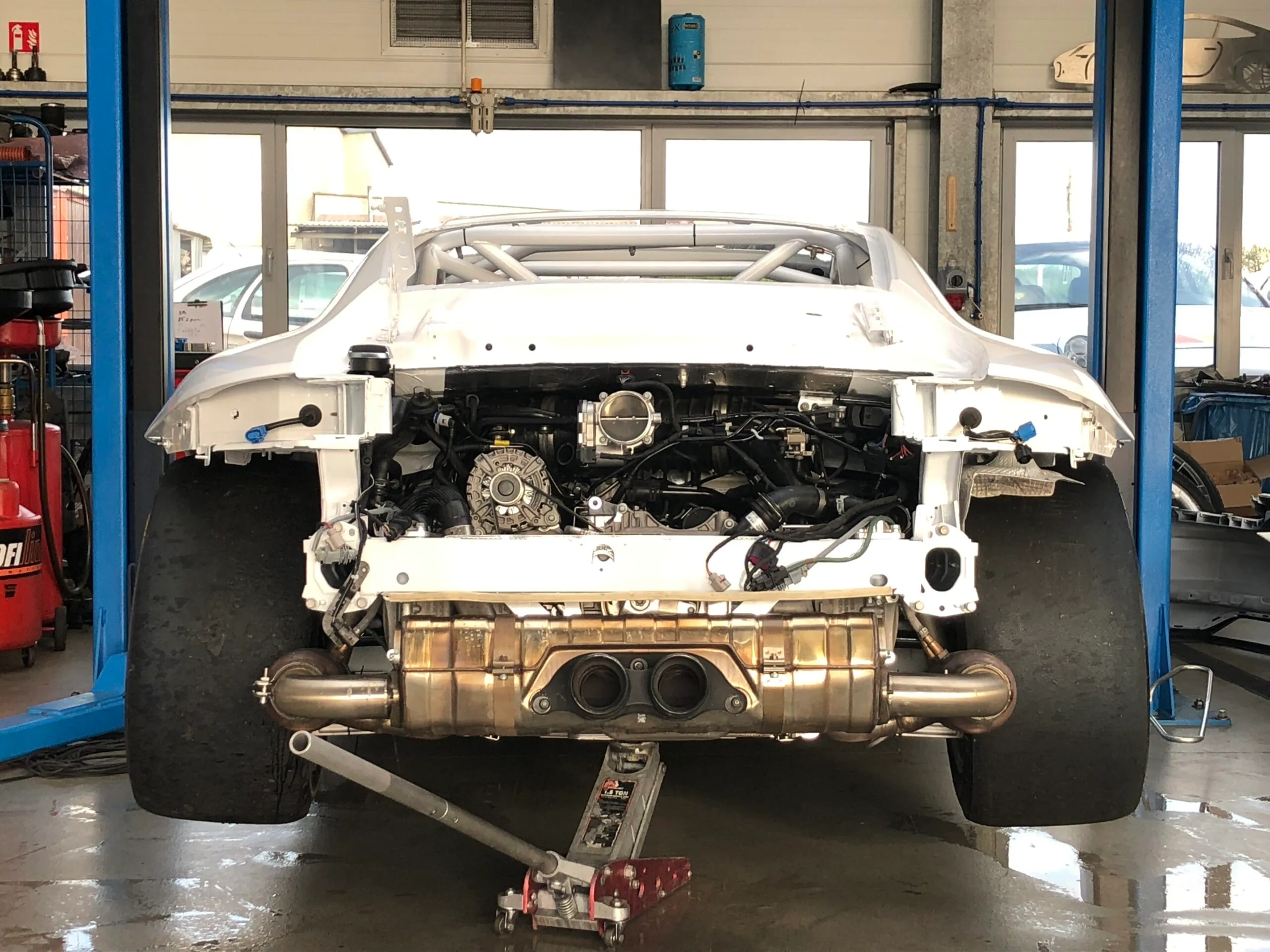 Brake systemsBrake service and modification — from everyday pads to a package that survives a full track weekend.See details →
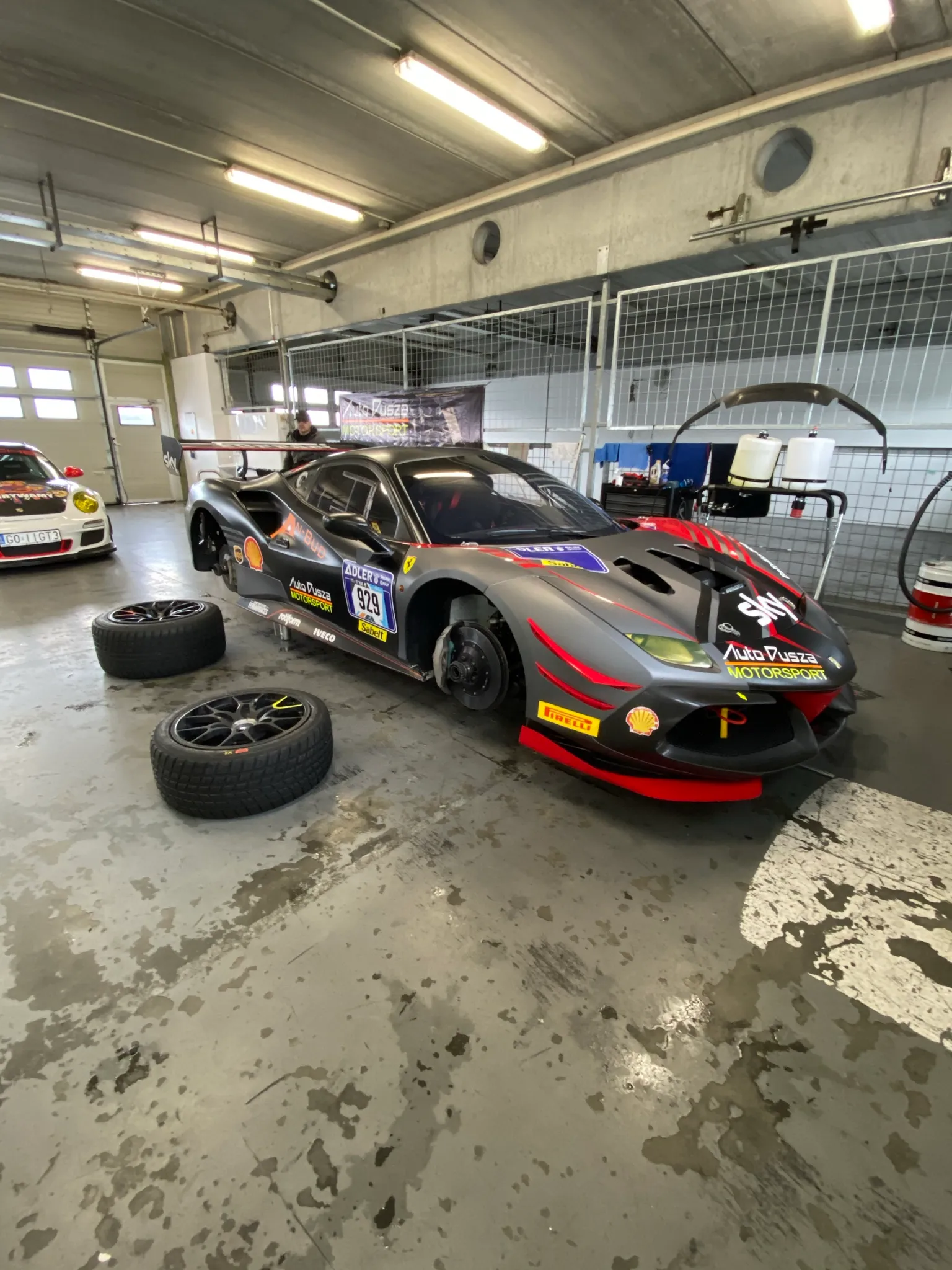 Performance workMore power only makes sense when the rest of the car is ready for it.See details →
 Bodywork and accident repairWe have been doing bodywork since the 1990s — measurement first, hammer second.See details →
Warianty wizualne
Ten przełącznik jest tylko w wersji poglądowej.